
The lights on a Fairfield bowling green still carried the orange haze of a late spring evening when I watched a mate tap his phone twice and watch a screen erupt into a shower of gold squares. He did not cheer so much as exhale, the way people do after a long shift in a warehouse at Penrith when something small finally goes right. That moment, a confetti animation pokies celebration AUD, is exactly the kind of tiny spectacle that hooks a wary player who has been burned before and does not trust the glitter. I have spent a decade building cinematics and live ops, and I can tell you the difference between a finish that feels earned and one that is just a particle system on a timer. The good ones read as a reward for attention, not a bribe to keep tapping.
The trick is to treat the sparkle as a signal, not a promise. A screen full of falling shapes tells you the game reached a threshold, and nothing more. When I judge a celebration sequence, I look for the pause before the burst, the half-second where the machine lets the win breathe instead of smothering it in noise. That restraint is what separates a polished release from a slot that feels like it is shouting at you from a milk bar advert. If you are coming back after a bad run, you want the animation to confirm a result, not to dress up a loss as something it is not.
Reading the burst
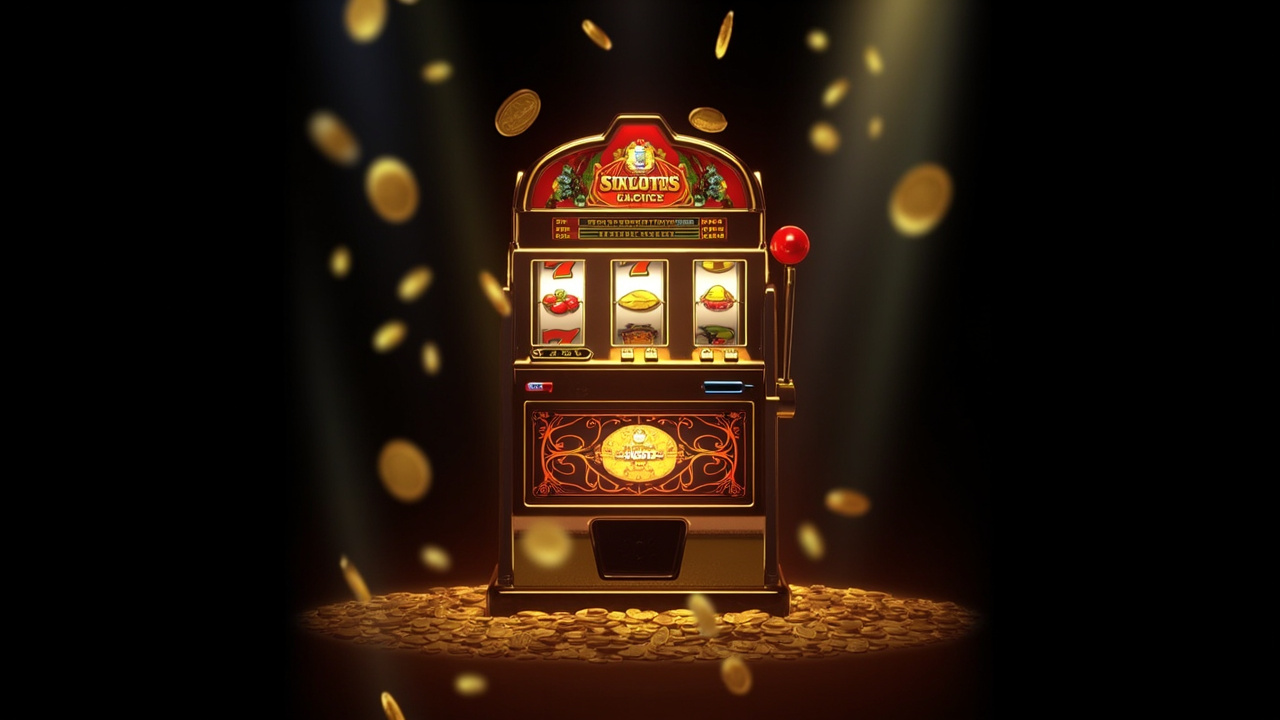
A celebration on a pokie is a short performance with a clear arc, and you can learn to read it the way you learn to read a greyhound race before the trapdoors open. The first beat is the lock, when the reels stop and the screen holds still long enough for your eyes to catch the pattern. The second beat is the fill, where colour and motion start to crowd the frame. The third beat is the release, and that is where the confetti animation pokies celebration AUD earns its name by throwing a brief, controlled storm across the payline. I have seen UE5 builds where the release lasts three seconds and still feels rushed, because the particles never settle before the next screen loads.
You can use that timing as a practical check when you are deciding whether a game is worth your attention. A sequence that lingers just long enough to let you register the result is usually better tuned than one that flicks past before you have finished blinking. The public-health approaches treat gambling harm as a community issue, not just individual failing, and that framing matters here because a celebration that never lets a player sit with the outcome is part of the same machinery that keeps people chasing. When I am reviewing a build, I flag any finish that rushes the player out of the moment, because that is where a sensible session can drift into a stubborn one.abigcandy no deposit bonus codes on promo page
Payment friction and the real cost
Money moving through these games does not live in the animation, and you should keep the two things apart in your head. An Australian player who pays by card can hit a block the moment the transaction looks like gambling to a bank’s filter, which is why so many people in Western Sydney end up reaching for PayID or a BPAY bill instead. A bank transfer can sit in limbo for a working day, and that delay is sometimes the only thing between a hasty deposit and a second thought. Say you deposit fifty dollars and watch a confetti animation pokies celebration AUD after a modest line-up; the screen is still only showing you a result, while your balance is doing something slower and less theatrical.Centralwesterndaily Australianracinggreyhound
I have watched players confuse the two layers, treating a flashy finish as proof that the money side is equally tidy. It is not. Card blocks, transfer timing, and the way a BPAY reference can stall in a queue are the unglamorous mechanics that decide whether a session stays a ten-dollar experiment or turns into a week-long headache. If you are wary because you got burned once, the smart move is to set your payment method before you sit down and decide what you will do if a transfer takes longer than you expected. A neighbour paper like the Central Western Daily has covered local spending habits enough to show how often people underestimate the lag between a tap and a settled balance, and that lag is worth respecting.
What a good finish actually does
A well-built celebration does one job and does it without stealing the show. It confirms the line-up, it marks the threshold, and then it gets out of the way so you can see your balance and make the next call. In my own work, I judge a finish by whether it leaves the player with a clear read on what just happened, not by how many layers of sparkle it can stack on top of the screen. A bad one hides the result under motion; a good one uses the confetti animation pokies celebration AUD as a brief punctuation mark and then returns the interface to something you can actually read.
The practical test is simple enough to run on any session. Start with a small stake you are comfortable losing, watch the full sequence from lock to release, and note whether you can still see your balance before the next spin begins. If the animation swallows the screen for too long, treat that as a design choice that is not working for you and move on. If the finish is short and legible, you at least know the game is not trying to blur the moment where you decide whether to continue.
Keeping the session legible
A session stays manageable when you такую keep the spectacle and the money in separate boxes and check both of them on your own schedule. Set a limit before you open the game, not after the first bright screen has already done its work on your attention. Use a payment method you understand, because PayID, BPAY, and card blocks all behave differently when a bank decides your transaction looks like gambling. A local paper such as the Central Western Daily has tracked how often people in the greater Western Sydney area end up reshuffling their payment habits after a bank flags a transaction, and that kind of friction is exactly the sort of thing you want to plan around rather than discover mid-session.
The same caution applies to the way a celebration can make a small result feel larger than it is. A shower of particles on a screen is a design effect, not a verdict on your luck, and treating it as one is how a cautious player turns into a stubborn one. If you want a second read on how local players talk about these sessions, a site like Australian Racing Greyhound has covered the kind of fast-moving, high-stimulus entertainment that trains people to chase the next bright moment instead of the next clear one. The point is not to avoid the spectacle; it is to read it accurately and keep your own limits visible while it runs.
- Decide your limit before you sit down and write it somewhere you can see it while you play.
- Pick a payment method you understand, and check whether your bank treats gambling transactions as a block before you fund the session.
- Watch the full animation from lock to release on your first spin, and note whether your balance stays visible before the next round starts.
- Treat a bright finish as a result confirmation, not as a reason to raise your stake or extend the session.
- Close the game when your limit is reached, even if the screen is still throwing shapes and inviting you to stay.
When you log off today, write your limit on a scrap of paper and keep it where you can see it before you open the game, because the easiest moment to set a boundary is the one that comes before the first bright screen.