

The excitement of an online casino game for a UK player rests on a solid foundation: fairness. This is especially important for a high-stakes, fast-paced game like add button on homepage game space xy available on. The whole experience hinges on a system called the Random Number Generator, or RNG. This software controls every outcome, from the initial layout of the grid to the ultimate, explosive crash. Knowing this RNG is both strong and independently checked builds the trust needed for a secure session. This article describes the mechanics and the verification steps that confirm each round of Space XY is random, provably fair, and complies with the stringent regulations of the UK Gambling Commission. For a player who pays attention, this isn’t just complex terminology. It’s the solid ground that enables them to enjoy the game’s dramatic shifts, certain their opportunity to win is protected by top-tier cryptographic security and outside audits.
What is a Random Number Generator (RNG) function?
The heart of Space XY, like any certified digital casino game, remains the Random Number Generator. Consider it as a complex mathematical formula that produces a never-ending stream of random numbers. There exists no pattern to detect. In Space XY, the RNG manages every critical, hidden event. It determines where multipliers appear and where the crash point is located on the grid when a round commences. It makes the ultimate decision on when the round will finish, ensuring no individual or program can predict the perfect moment to cash out. A proper RNG functions like a perfect digital die roll. Each result is statistically independent from the one preceding it. A round that crashes soon has no impact on what occurs later. It doesn’t make a later crash either more or less likely. This separation is the cornerstone of fair play. It erases any chance of “hot” or “cold” streaks embedded into the game. It assures every player receives an identical, random shot on every single bet.
How Space XY’s RNG Secures Fair Play
Space XY uses a cryptographically secure RNG. This system goes far beyond simple random number algorithms. It provides randomness to a level appropriate for financial transactions and high-stakes play. Below is how it works. The algorithm starts with a seed value, an initial number that is extremely hard to predict. This seed typically derives from tiny, chaotic events inside the computer’s hardware. From this seed, the RNG creates a flow of numbers that cannot be reverse-engineered. For you, the player, this signifies the multiplier’s climb and the eventual crash are governed by this flawless, unpredictable digital chaos. The game’s server operates this RNG separately from your own device. The outcome is fixed the instant the round begins. No user action can change it. This setup guarantees your tense, exciting decision of when to cash out happens against a backdrop of total impartiality. The system is constructed to resist tampering. It stops both the operator and any outsider from fiddling with the results. This preserves a perfectly level field for everyone involved.
The significance of External Validation
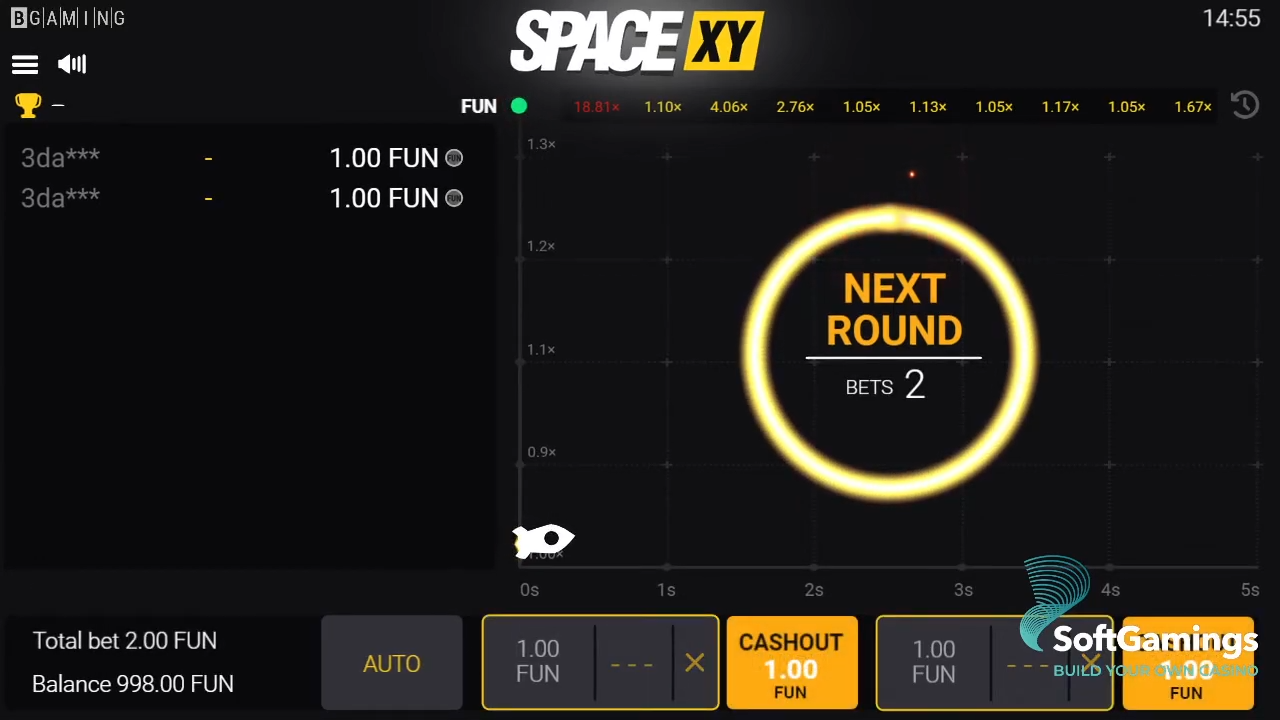
A software provider can say their RNG is fair, but real trust arises from an outside check. Trusted third-party testing labs like eCOGRA, iTech Labs, or GLI do this vital work. These auditors are accredited to rigorous international standards and have no economic interest in the games they test. Their process involves a deep technical review of the RNG’s source code. They look for any underlying biases or vulnerabilities in the algorithm. Then they subject the generator through billions of simulations. They examine the output statistically to verify it matches the claimed return-to-player (RTP) percentage and that the distribution of results is genuinely random. For a game to be offered legally to UK players, this certification is mandatory. The UK Gambling Commission demands it. The auditor supplies a formal certificate of compliance. The casino or game provider must show this to regulators and often to the public. This external scrutiny is the ultimate safety net. It turns a technical promise into a verified, legal guarantee of fairness.
Grasping Provably Fair Technology
Aside from standard RNG checks, numerous contemporary crash games like Space XY add a transparency function called “Provably Fair” technology. This allows a player individually check the fairness of each round after it finishes. The process leans on cryptographic principles, namely hashing. Prior to a round beginning, the server produces a hidden random seed and a public seed. It then generates a cryptographic hash of the secret seed. This hash is a fixed-length string of characters that acts like a distinct, unchangeable fingerprint. The server releases this hash prior to the round. Once the round finishes, the private seed is unveiled. Players can then take this seed, combined with the client seed, and run a standardized algorithm independently to determine the round’s result. If their calculation corresponds to what they witnessed in the game, and the hash checks out, it confirms the round was not altered after the hash was released. This delivers a novel level of personal verification. For UK players, it works alongside the official audits. It gives real-time, hands-on proof that the game functions as claimed, revealing the random essence of each thrilling crash.
UK Gaming Regulator Rules for Random Number Generators
The UK Gambling Commission sets among the globe’s most rigorous rulebooks for digital gaming. Its technical specifications for Random Number Generators are especially stringent. For any game, Space XY among them, to be made available lawfully to British gamblers, its RNG must pass several high bars. The RNG must first be certified by a testing facility recognized by the UK Gambling Commission. The Regulator holds a register of recognised independent organizations. Secondly, the RNG must be tested again on a regular basis. A one-off inspection is not enough. The UK Gambling Commission also establishes particular design requirements. The RNG must be started from a high-entropy origin and must prevent prediction attacks. The Authority also stipulates that game outcomes are resolved on a securely managed server, instead of on the gambler’s device. Comprehensive records of all RNG actions must be maintained for inspection purposes. These extensive rules involve severe penalties for non-compliance. They compel providers and game developers to uphold the top technical requirements. For the gambler, the British Regulator emblem on a gambling site is a strong sign. It indicates the games, Space XY included, satisfy these thorough fairness checks.
The Verification Signifies for the British Player
For the British player diving into Space XY, RNG verification offers genuine, useful advantages that better the experience. The main benefit is confidence. Players can appreciate the high-adrenaline, volatile nature of a crash game understanding the unpredictability comes from real randomness, not from interference. They can dedicate themselves to strategy and bankroll management instead of questioning the game’s integrity. The certified RNG also assures the stated Return to Player (RTP) percentage is accurate over the long run. Short sessions can swing wildly, but the checked randomness guarantees that over millions of rounds, the game returns according to its specified mathematical profile. It also safeguards players against potential deception. No malicious software can meddle with the outcomes. This audited fairness encourages a more responsible gaming environment. Players can trust their wins and losses are entirely the result of luck. In simple terms, the intricate world of RNG verification provides one distinct promise to the player: every action they perform in Space XY receives a just, random, and independently verified response.
Popular Myths About RNGs in Crash Games
Even with rigorous verification, some stubborn myths surround RNGs in games like Space XY. Addressing these is key to playing smart. One widespread myth is that the game is “due” for a crash after a long multiplier run. Or that a sequence of quick crashes signals a big win is imminent. This “gambler’s fallacy” is clearly contradicted by the proven independence of each RNG outcome. Past events do not shape the future. Another common error is the idea that players can use betting patterns or special software to forecast crashes. A cryptographically secure RNG makes this futile. The crash point is set when the round starts and cannot be predicted. Some also attribute the RNG a personality, thinking it can be “hot” or “cold.” The proven system has no moods. It just delivers random results. One last critical myth to address is the idea that provably fair technology lets you predict an outcome *before* a round. It does not. It only allows verification *afterwards*. Knowing these truths helps players approach Space XY with a clear head. They can understand the genuine randomness that fuels the game’s excitement.
How to Check the Validation Status Personally
UK players who wish to be thorough can undertake a few straightforward measures to confirm the RNG condition of Space XY themselves. Carrying out this homework adds an additional layer of security and confidence. The standard procedure looks like this:
- Review the Casino’s ‘Fair Play’ or ‘Game Info’ Section: Reliable casinos licensed by the UKGC supply information on game honesty. Browse for a section called “Provably Fair,” “Fair Gaming,” or “Certifications.” That page should name the inspection bodies participating.
- Look for Testing Agency Emblems and Certifications: On the game details section for Space XY, or in the casino’s bottom, you should notice marks from inspectors like eCOGRA, iTech Labs, or GLI. These are often active hyperlinks that take you directly to the official accreditation document.
- Utilise the Provably Fair Checking System: If Space XY provides provably fair verification, you’ll find a link or button in the game environment, typically in a configuration or info menu. By providing the session ID and codes from a previous game, you can run your personal independent verification.
- Refer to the UKGC Public List: You can verify the casino’s license condition on the UK Gambling Commission’s official website. This verifies they are permitted to supply games with approved RNGs.
Running these checks places you in charge. It validates the thrilling experience of Space XY is underpinned by clear, checkable systems. It converts the theoretical notion of integrity into a thing you can see and touch.
The Path Ahead for Fairness: Clarity and Reliability
The path for online gaming fairness, particularly in cutting-edge styles like crash games, moves toward even more clarity and player-focused trust. We will probably see a few key changes become standard. Blockchain technology might take on a bigger role. Game logic and outcomes could be stored on a public, unchangeable ledger, allowing for real-time, crowd-verified auditing. The idea of “on-chain” games, where the RNG and rules run via smart contracts, could remove the need to trust a central server altogether. Testing standards will keep progressing. Auditors will probably build more sophisticated, continuous monitoring tools instead of relying on periodic snapshots. For players, interfaces will get better at explaining fairness. A single click might reveal the full audit trail for a specific round. The UK Gambling Commission will continue to hone its technical rules in response to these advances. For Space XY and its players, this future indicates a stronger, more transparent bond of trust. The excitement of the game will sit alongside undeniable, easy-to-access proof of its integrity. This keeps the UK market one of the safest and most reliable places for online gaming innovation.